


Cedar fever vs virus is a common concern in Texas winter, since its symptoms can closely resemble those of a viral illness. While cedar fever is an allergic reaction to pollen, it occurs at the same time as other respiratory viruses such as the flu, RSV, and COVID-19, which is why it confuses many people.
Cedar fever typically causes sneezing, a runny or congested nose, and watery eyes. In contrast, viral infections are more likely to worsen over time or include symptoms such as fever, body aches, chest discomfort, or shortness of breath.
Because cedar fever Texas season coincides with peak viral activity, it is important not to assume symptoms are allergy-related. If symptoms become severe, worsen, or affect breathing, seek immediate evaluation at Mesquite ER to rule out a serious viral infection.
What Is Cedar Fever?
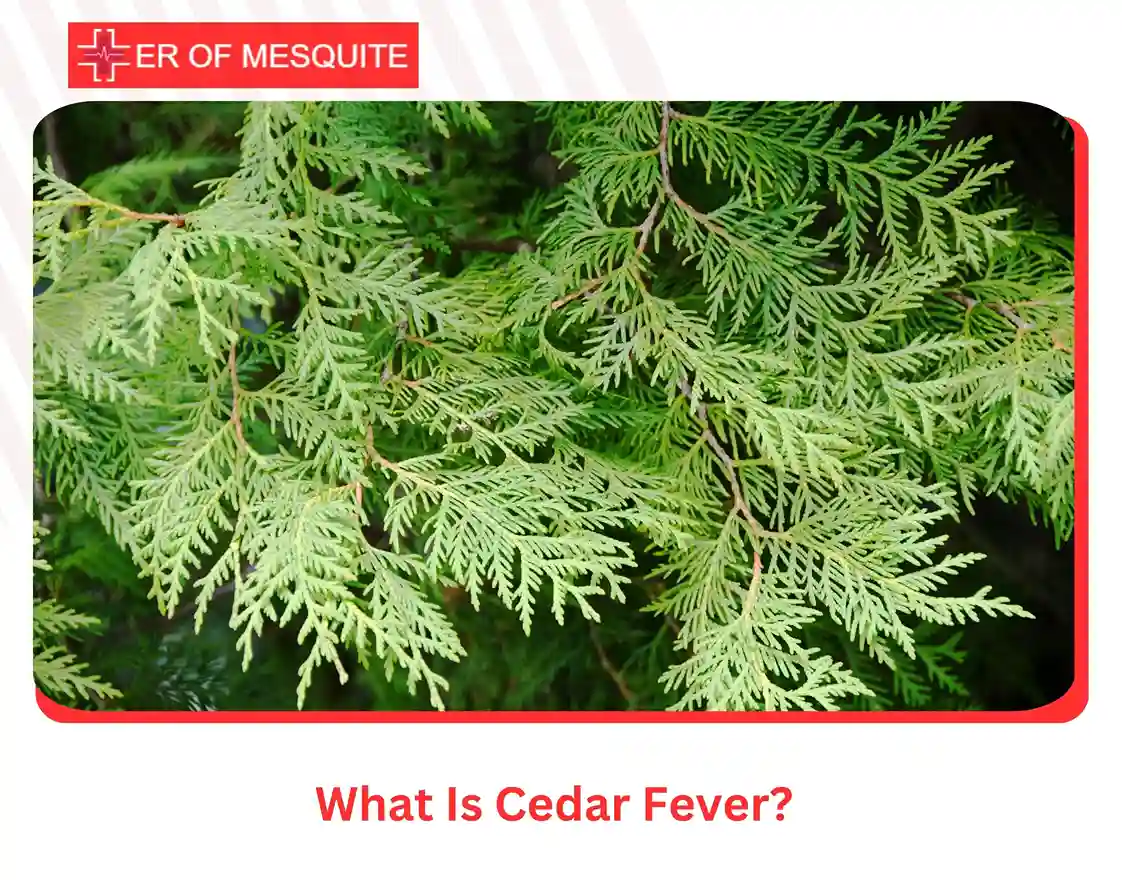
Cedar fever is a seasonal IgE-mediated allergic response triggered by pollen from Juniperus ashei, a tree species found in Texas. During cedar fever Texas season, the extremely fine pollen particles can travel deep into the respiratory tract, causing more intense symptoms.
Here’s how you can identify if you’ve cedar fever. Common clinical features include:
- Persistent nasal congestion caused by mucosal inflammation rather than infection
- Itchy or watery eyes due to an allergic conjunctival response
- Repetitive sneezing from pollen-induced nasal nerve stimulation
- Fatigue due to systemic inflammation rather than nasal symptoms
Understanding these symptoms is essential when comparing cedar fever vs virus, as allergies remain localized while infections often involve the whole body.
Cedar Fever vs Virus: How Their Timelines Differ
Cedar fever vs virus can be distinguished by timing and progression. Cedar fever symptoms appear quickly after pollen exposure and fluctuate with environmental conditions, while viral infections develop after a delay and steadily worsen with systemic symptoms like fever and body aches.
The timeline differences between Cedar fever vs virus helps you understand whether symptoms are allergy-related or infection-driven.
1. Onset: Exposure-Triggered vs Infection-Driven
Cedar fever shows symptoms as early as an hour after pollen exposure, often on dry and windy days. You can feel an itchy throat right away, and symptoms may lessen or intensify depending on daily pollen levels.
Viral infections follow their own timeline, and symptoms may appear after 2-7 days of exposure, rather than immediately, as with cedar fever. This delay in the onset is a key distinguishing feature.
2. Symptom Evolution: Fluctuation vs Escalation
With cedar fever, symptom severity often plateaus or fluctuates rather than worsening daily. At Mesquite, many patients report having “good days and bad days” depending on their outdoor exposure and pollen counts.
However, viral infection shows an escalation pattern. Your symptoms will worsen over time, reflecting an immune-inflammatory response. A fever spike, increasing fatigue, and worsening respiratory involvement are all signs of a viral infection.
3. Systemic Involvement: Localized vs Whole-Body Response
Cedar fever mostly remains localized to the upper airways and eyes. Even when fatigue is present, it stems from inflammatory markers and not immune system involvement.
Viral infection elicits a systemic immune response throughout the body. Fever, chills, muscle pain, and generalized weakness are a few symptoms you experience in a viral infection.
4. Resolution Pattern: Exposure Ends vs Illness Runs Its Course
Cedar fever improves when your pollen exposure decreases, such as with rainfall, reduced outdoor activity, or the end of pollen season.
Viral infections resolve when the immune system clears the virus, typically within 7–14 days, regardless of environmental conditions.
When Symptoms Signal a Virus — Not Just Allergies

You must look out for certain symptoms that signal a viral infection instead of a pollen-related allergy. Here’s what to watch for:
- A high or persistent fever. Allergic reactions don’t cause sustained elevated body temperature. It is a marker for viral/bacterial infections.
- Difficulty breathing, especially with rest or minimal activity.
- Chest pain or chest tightness is not associated with allergies. These symptoms may indicate pneumonia or a severe viral infection.
- Severe weakness, dizziness, or signs of dehydration such as minimal urine output or inability to keep fluids down.
- Symptoms lasting longer than 7–10 days
How to Manage Cedar Fever and Related Symptoms
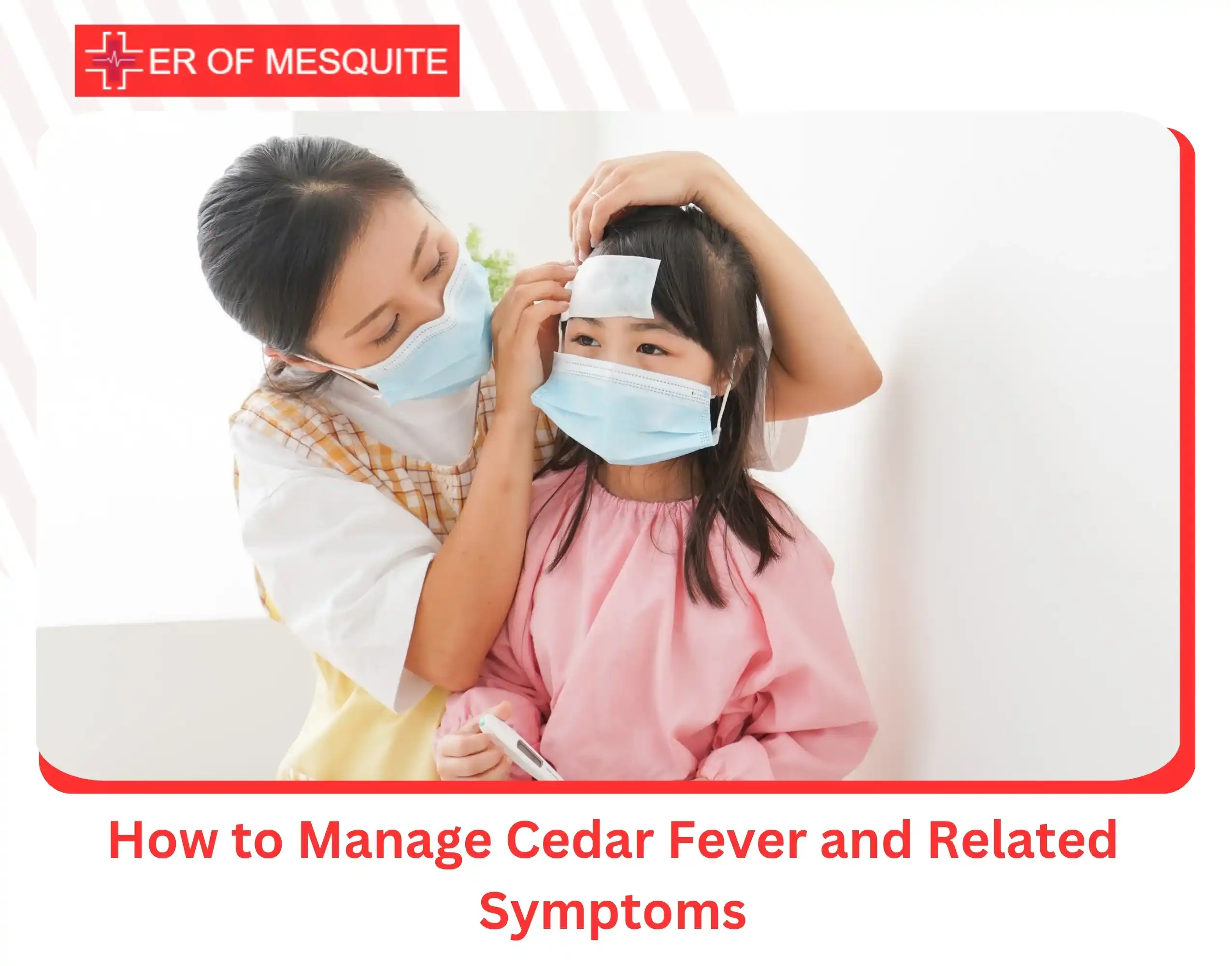
Cedar fever is best managed by reducing pollen exposure, using targeted medications, and supporting your body during symptom flare-ups. While symptoms can be uncomfortable, consistent preventive steps and timely treatment can significantly reduce severity and prevent complications.
1. Minimize Pollen Exposure
- Stay indoors during peak pollen hours (typically early morning and on dry, windy days).
- Keep windows and doors closed at home and in vehicles.
- Use high-efficiency particulate air (HEPA) filters indoors to remove airborne pollen.
- Shower and change clothes after being outdoors to remove pollen from skin and hair.
2. Pharmacologic Therapy
- Antihistamines (oral or intranasal) reduce sneezing, itching, and watery eyes.
- Intranasal corticosteroids to decrease nasal congestion and inflammation.
- Saline nasal rinses to flush pollen from the nasal passages and reduce irritation.
3. Supportive Care
- Maintain hydration to prevent dryness associated with nasal congestion.
- Use a humidifier to reduce irritation in the nasal passages and throat.
- Rest when fatigued, especially on high-pollen days or when viral symptoms overlap.
Key Takeaway
Understanding cedar fever vs virus comes down to timing, symptom pattern, and progression. Allergy symptoms tend to appear quickly and fluctuate with pollen exposure, while viral infections develop gradually and worsen with systemic signs like fever and body aches. Paying attention to these differences can help you respond early and avoid complications.
If symptoms escalate, return after improvement, or include fever, chest pain, or breathing difficulty, do not delay care. Visit Mesquite ER for prompt evaluation and management of cedar fever to protect your health.
FAQs About Cedar Fever vs Virus
1. Can cedar fever trigger asthma or make breathing worse?
Yes. Cedar pollen can aggravate asthma, leading to airway inflammation, wheezing, and shortness of breath, especially during cedar fever Texas season.
2. Are over-the-counter allergy tests effective for diagnosing cedar fever?
OTC tests measure IgE antibodies in blood or saliva, but cannot clearly distinguish cedar fever vs virus. Clinical evaluation remains more accurate.
3. Can cedar fever make viral infections more severe?
Allergic inflammation does not directly cause viral illness, but chronic nasal congestion and airway irritation can increase susceptibility to secondary respiratory infections and complicate symptom interpretation. Timely monitoring is crucial during overlapping viral and cedar pollen seasons.
4. How accurate are symptom trackers or pollen count apps?
Modern pollen-tracking apps provide real-time regional pollen counts, which can help you anticipate high-exposure days of cedar fever Texas. While they are useful for preventive measures, they cannot replace medical evaluation when red-flag symptoms appear.
5. Is it possible to develop immunity to cedar fever over time?
Cedar fever is an allergic response, not an infectious disease, so natural immunity does not develop. Long-term strategies, such as allergen immunotherapy (allergy shots or sublingual tablets), may reduce sensitivity over time; however, they require evaluation by an allergist.