

Emergency Rash Treatment in Mesquite, TX | 24/7 Care for Adults & Children
ER of Mesquite delivers fast, walk-in emergency rash treatment in Mesquite for adults and children, every hour of every day. Board-certified ER physicians, on-site labs, IV antibiotics, antiviral therapy, and full pediatric capability.
A Rash That Cannot Wait Until Morning
Rashes have a habit of showing up at the worst possible time. Friday night. Sunday afternoon. The middle of a holiday weekend, when the pediatrician’s office is closed and your child is itchy, feverish, or breaking out in spots that were not there three hours ago.
Most rashes turn out to be minor. The challenge is that the dangerous ones often look harmless at the start. Pediatric viral exanthems, scarlet fever, contagious bacterial infections, drug reactions, and severe allergic responses all begin with skin findings that can be hard to interpret without a physician’s evaluation.
ER of Mesquite provides emergency rash treatment in Mesquite at any hour, with same-visit diagnosis, on-site labs, and pediatric-trained physicians who handle the family-medicine version of an emergency room.
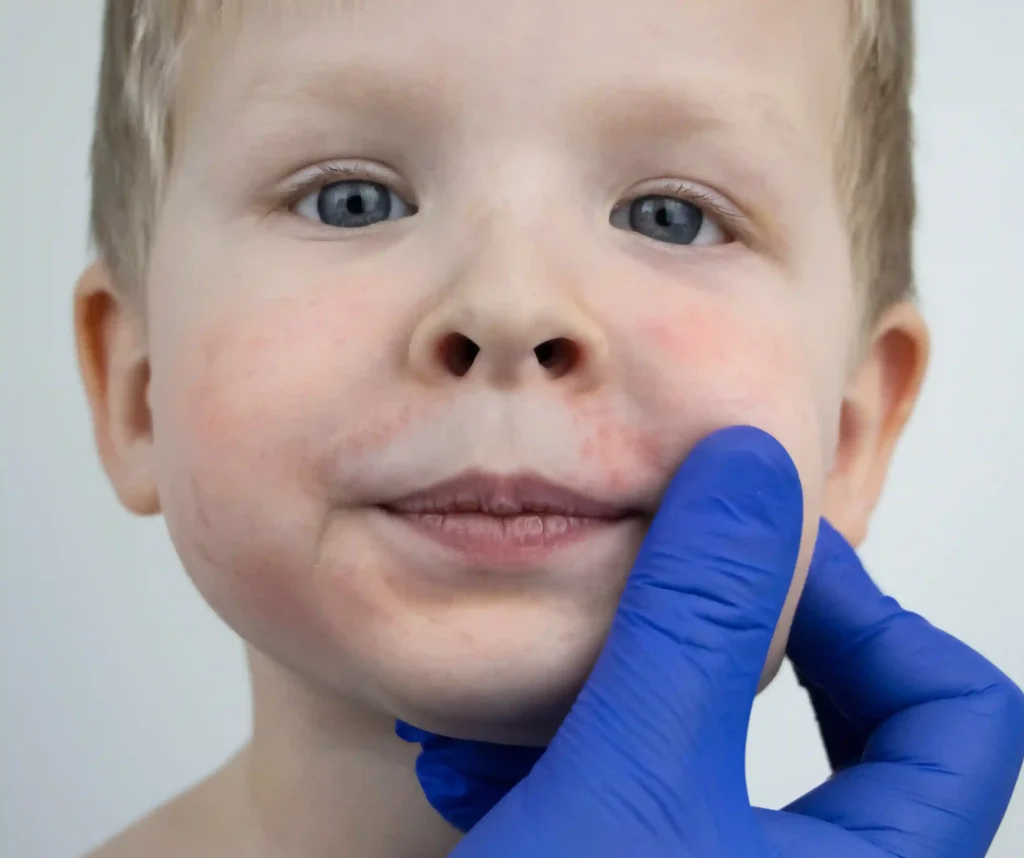
When to Go to ER for a Rash
A rash crosses into emergency territory when it spreads fast, brings systemic symptoms, or appears in a vulnerable individual (very young children, immunocompromised patients) where the threshold for evaluation is lower.
Walk in immediately if any of the following are present:
- A rash with fever above 101°F
- A rash that does not blanch (does not fade when pressed)
- Difficulty breathing, throat tightness, or facial swelling
- A rash with blistering or peeling
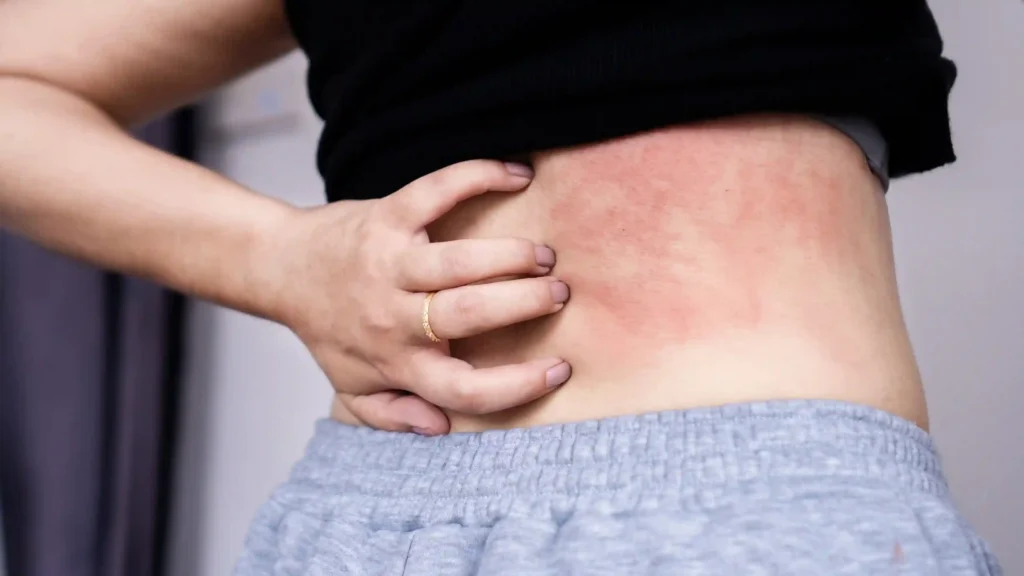
- Rapidly spreading red, hot, painful skin
- A new rash after starting any medication
- Any unexplained rash in an infant under three months
- Hives that keep coming back or are spreading
- Confusion, vomiting, or sudden weakness alongside any rash
If you are weighing whether to come in or wait, the safer move is always to come in. The cost of an unnecessary ER visit is lower than the cost of waiting on a rash with fever or a fast-progressing infection. When patients ask when to go to ER for a rash, the rule of thumb is simple: if the rash is paired with fever, breathing change, or rapid spreading, the answer is now.
Rash with Fever in Children: A Different Set of Rules
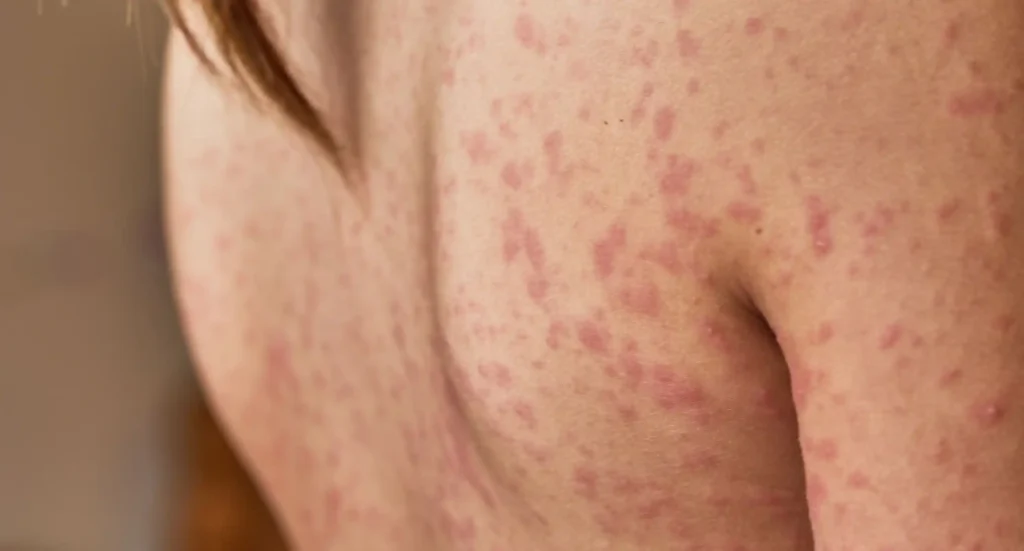
A rash on a child changes the calculation. Children get rashes constantly, and most are harmless viral reactions that clear in a few days. But rash with fever in a child is the combination that needs faster evaluation, because the differential includes conditions that can become serious if missed.
The pediatric rashes our physicians evaluate most often include:
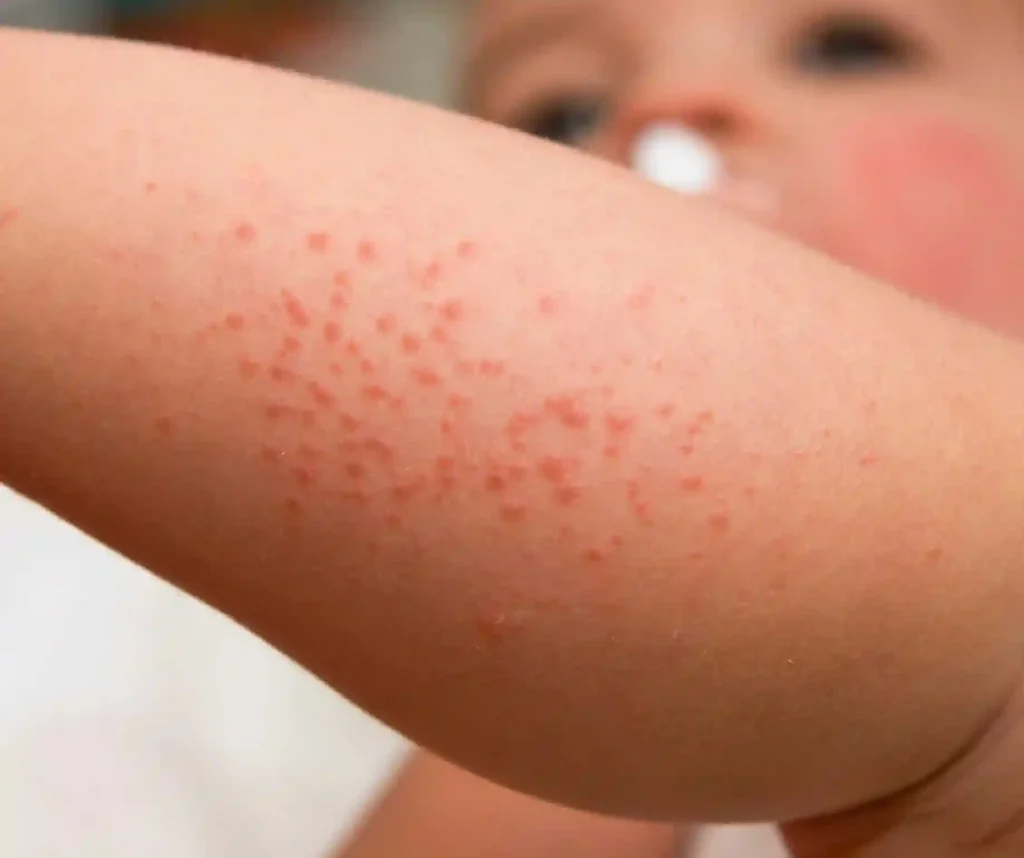
Viral exanthems
Chickenpox, measles, fifth disease, hand-foot-and-mouth disease, and roseola all present with rash and fever in distinct patterns. Most are manageable at home with supportive care, but accurate diagnosis matters for school exposure, sibling protection, and ruling out anything more serious.

Scarlet fever
A sandpaper-textured red rash with sore throat, fever, and a strawberry-red tongue points to scarlet fever, a strep-related infection that needs antibiotics. We confirm with on-site rapid strep testing.

Bacterial skin infections
Impetigo, cellulitis, and infected insect bites are common in school-age children and need targeted antibiotic therapy.
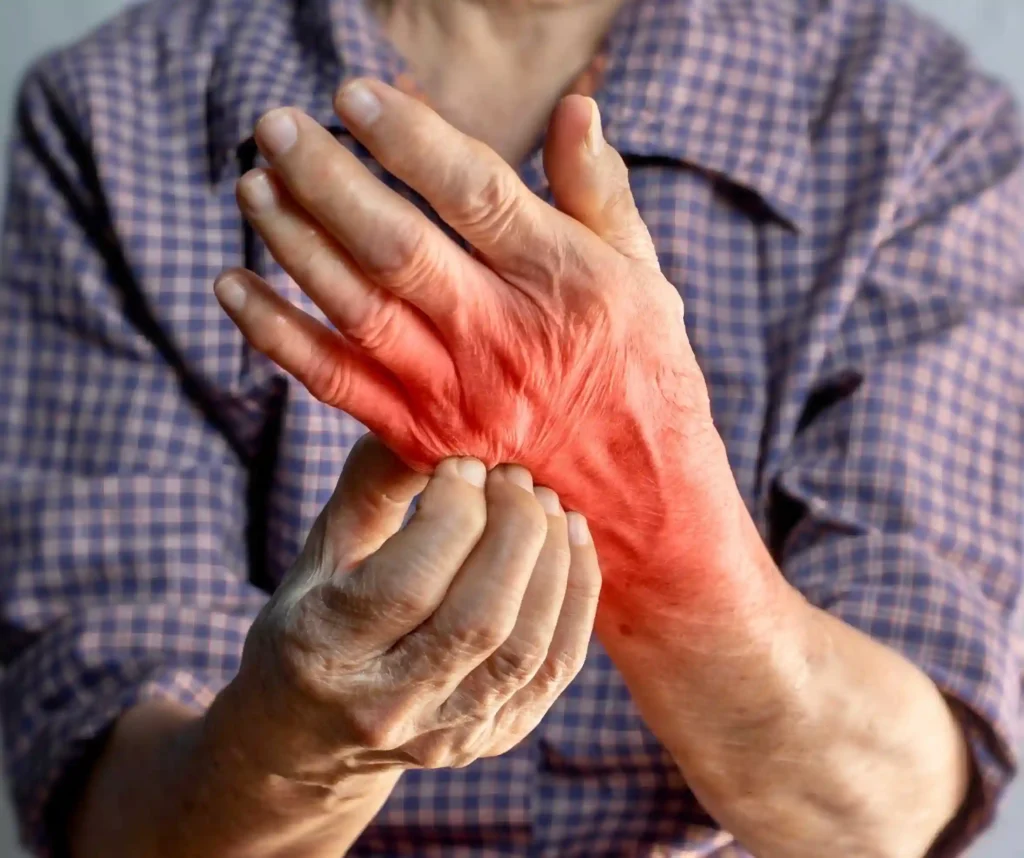
Hand-foot-and-mouth disease
Fever followed by painful blisters in the mouth and small red spots on the hands and feet is classic. Most cases are mild but can cause dehydration when mouth pain prevents drinking.
Meningococcal warning
Petechiae (tiny red or purple spots that do not fade under pressure) plus fever in a child is a true emergency. This is the rash with fever pattern parents should learn to recognize and act on immediately.
The age rules matter:
- Under three months: any unexplained rash needs ER evaluation regardless of severity
- Three to twelve months: rash with fever above 100.4°F warrants prompt evaluation
- Older children: rash with fever above 101°F, dehydration, lethargy, or a non-blanching rash all warrant ER care
Our pediatric emergency care team carries pediatric-dosed medications and treats children in private rooms where a parent stays throughout the visit. Same-visit rapid testing covers strep, flu, mono, and RSV through our strep, mono, and flu testing service.
Contagious Rashes: When the Whole Family Is at Risk
Some rashes spread easily, especially among children sharing daycares, schools, and homes. Knowing whether a rash is contagious affects what you do at home, when siblings need protection, and when a child can return to school.
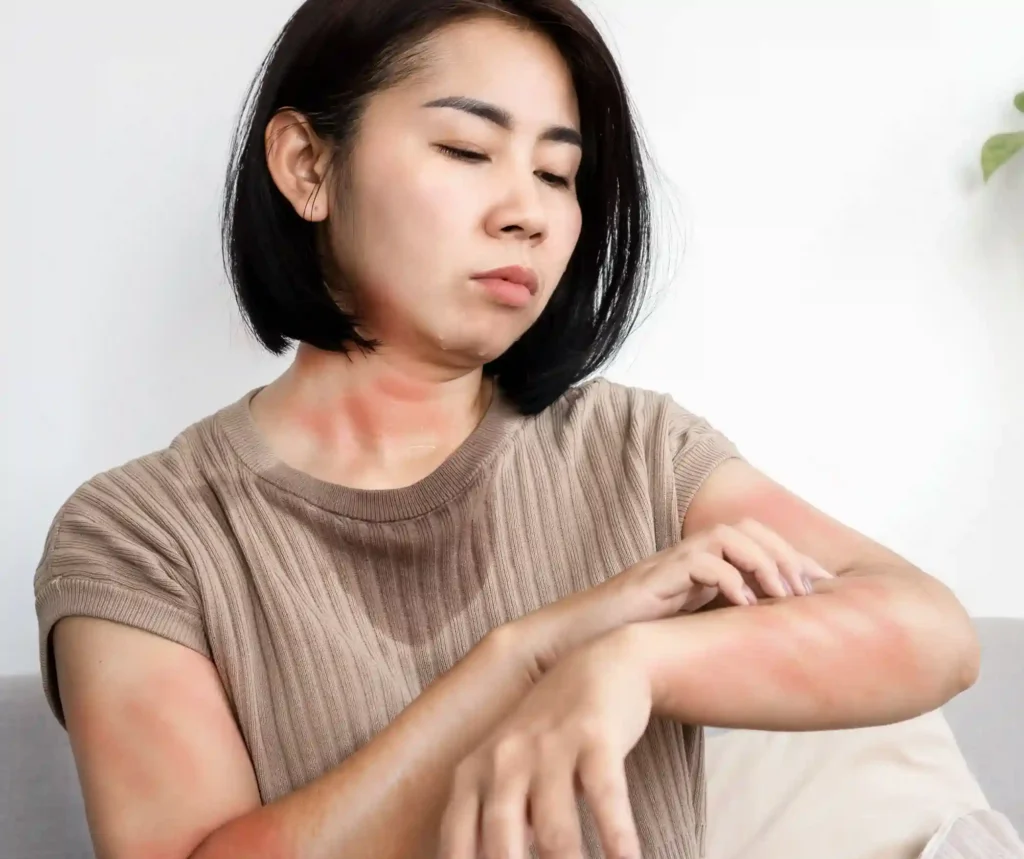
The most contagious rashes we evaluate:
Chickenpox spreads through direct contact and respiratory droplets. Highly contagious for adults and children who have not been vaccinated.
Hand-foot-and-mouth disease spreads rapidly through daycares and elementary schools. Contagious until all blisters have crusted.
Scabies spreads through prolonged skin contact, especially within households. The rash is intensely itchy and treatable but requires the entire household to be addressed simultaneously.
Ringworm is a fungal infection that spreads through contact with skin, towels, or surfaces. Common in school-age children.
Impetigo is a bacterial skin infection that spreads through direct contact and is common in children.
Scarlet fever spreads through respiratory droplets and is contagious until antibiotics have been started for at least 24 hours.
Measles is exceptionally contagious. Any suspected measles rash needs immediate isolation and ER evaluation.
ER evaluation gives you the same-visit diagnosis you need to make the right calls at home: who needs protection, when the patient can return to school, when household disinfection matters, and which family members should be evaluated. Our physicians provide treatment, return-to-school documentation, and clear contagion guidance before discharge.
Other Rashes We Treat
Beyond pediatric and contagious rashes, our physicians evaluate the full range of skin emergencies in patients of all ages.

Allergic reactions and hives. Food, medication, and insect-sting reactions in adults and children. Anaphylaxis receives IV epinephrine and airway support. Less severe hives are treated with IV or oral antihistamines and steroids.
Cellulitis and bacterial skin infections. Red, hot, expanding skin needs IV antibiotics if the infection is moving fast or sits near the face, hands, or joints. Common in adults with diabetes or immune-compromising conditions.
Drug-induced rashes. Reactions to antibiotics, sulfa drugs, anticonvulsants, and pain medications can range from mild to Stevens-Johnson syndrome. Any rash that follows a new medication needs evaluation.
Adult shingles. Painful blistering rash in a band on one side of the body. Antiviral therapy started within 72 hours reduces severity and lowers the risk of post-herpetic neuralgia.
Contact dermatitis. Poison ivy, poison oak, and chemical exposure rashes. Severe cases involving the face, eyes, or large body areas need oral or IV steroid therapy.
How ER of Mesquite Diagnoses Rashes
A board-certified emergency physician evaluates you or your child within minutes of arrival. Diagnosis combines focused history (timing, exposures, recent illness, new medications, family contacts), physical exam, and on-site testing.
Diagnostics available on-site:
- Full laboratory panel through our on-site clinical laboratory including complete blood count and inflammatory markers
- Rapid flu, strep, mono, and RSV testing during the visit, results in minutes
- Wound and skin cultures when bacterial infection is suspected
- Imaging when deep tissue infection or abscess is a concern
Rashes also present differently across skin tones. Redness can read as deep brown, violet, or grey on darker skin, which our physicians factor into the evaluation alongside texture, warmth, swelling, and pattern. Diagnosis does not rely on color alone.
Results return during your visit. Treatment begins as soon as the cause is clear.
Emergency Rash Treatment We Provide
Treatment depends on what the workup reveals. Our physicians match the response to the cause and the speed of progression, with most interventions starting in the same room where you are evaluated.
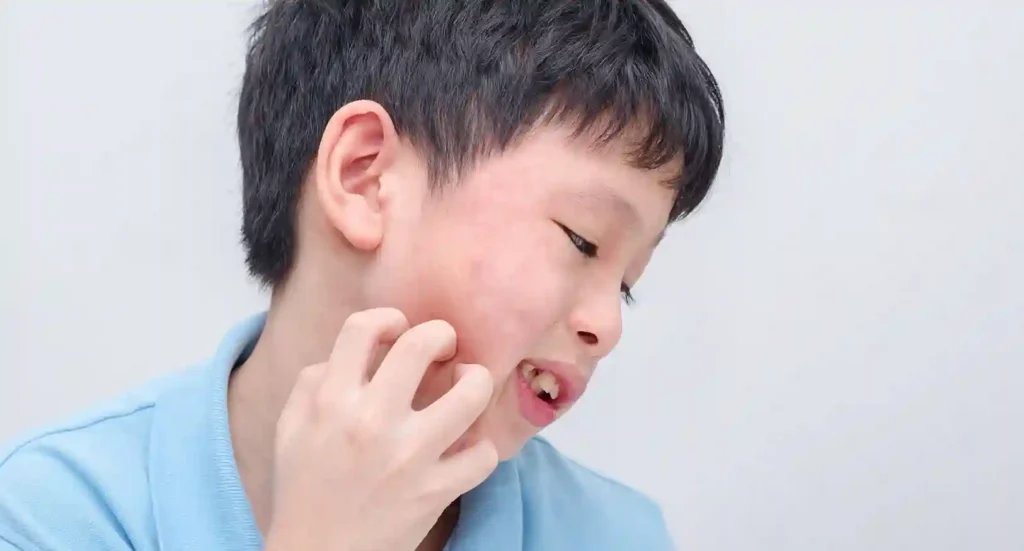
For pediatric viral and bacterial rashes
- Age-dosed antibiotics for scarlet fever, impetigo, and other bacterial skin infections
- Antiviral medication for chickenpox and shingles when started within the effective window
- Fever control with pediatric-dosed acetaminophen or ibuprofen
- IV fluids for dehydration when mouth pain or vomiting prevents drinking
- Return-to-school or daycare guidance and written documentation
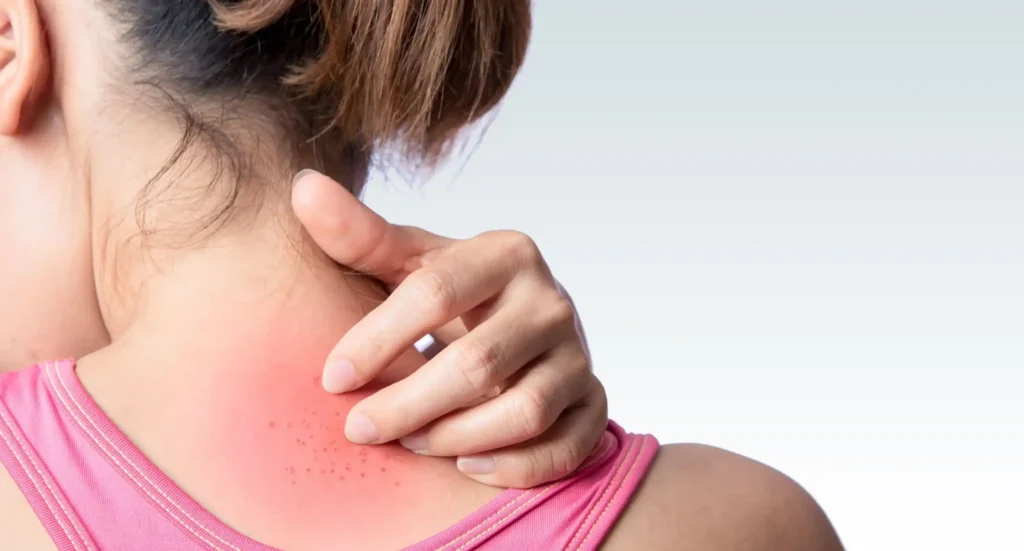
For severe allergic reactions and anaphylaxis
- IV epinephrine as the first-line response
- IV antihistamines and IV corticosteroids to control the reaction
- Oxygen therapy and airway support
- Continuous monitoring through the window where biphasic reactions occur
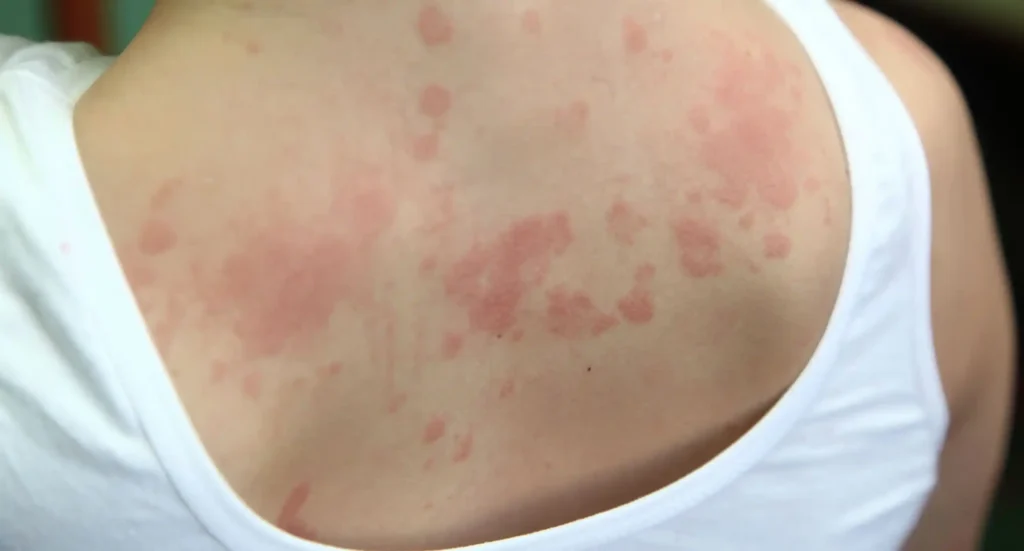
For cellulitis and bacterial skin infections
- IV antibiotics and IV fluids on-site within minutes of diagnosis
- Abscess drainage when needed
- Wound culture and sensitivity testing to guide ongoing therapy
- Discharge with oral antibiotics and a follow-up plan
For shingles and adult viral rashes
- Antiviral therapy started immediately for cases within the 72-hour window
- Pain management appropriate to the severity
- Eye involvement screened and escalated when found

For severe contact dermatitis
- Oral or IV corticosteroids for widespread or facial involvement
- Topical treatment plan for the at-home phase
- Skin care and infection-prevention guidance
For drug-induced rashes
- Identification and discontinuation of the suspected medication
- Symptomatic treatment to control itching, swelling, and discomfort
- Immediate transfer with full records sent ahead if Stevens-Johnson syndrome or DRESS is suspected
What to Expect When You Walk In
For families, the front-desk process is built to skip the parts that usually drag at a hospital ER. You give your name and a reason for the visit. That’s it.
Vital signs come next, taken by a nurse who is trained to read a fussy toddler the same way she reads a calm adult. From there, you go straight into a private treatment room. Parents stay with their child the entire visit.
The physician comes to you. There is no second waiting period after triage, no shuffling between rooms, and no “the doctor will be in shortly” loop. Treatment, whether that’s a strep swab, an IV line, an antibiotic dose, or a quick reassurance and a return-to-school note, begins inside the room you are already in.
Most rash visits are completed within 60 to 90 minutes from walk-in to discharge with a written diagnosis, prescriptions, return-to-school or return-to-work documentation, and follow-up instructions.

Emergency Rash Treatment Near Me in Mesquite
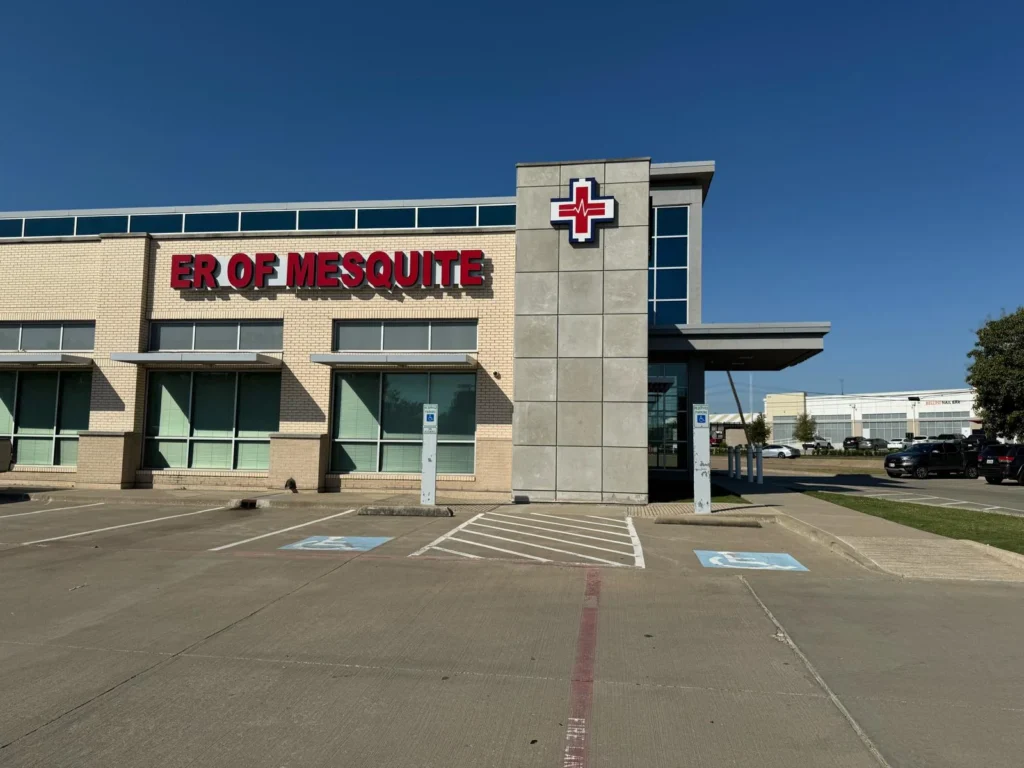
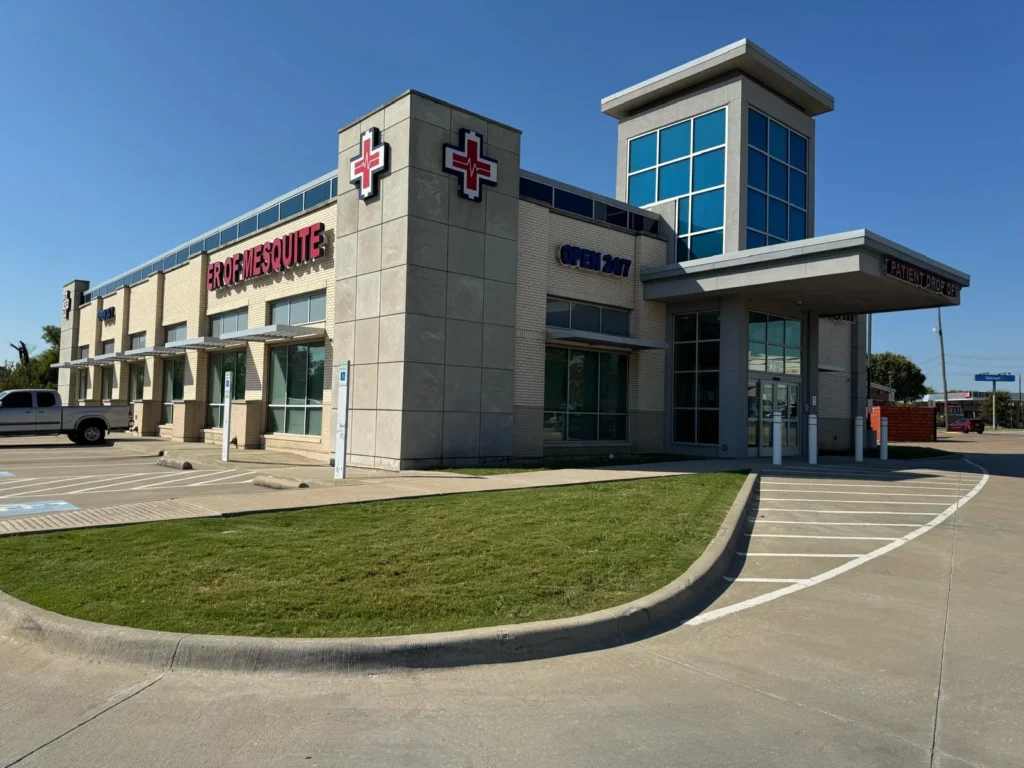
ER of Mesquite is on N Belt Line Rd just off US-80, with direct access from the eastern DFW corridor. There is no hospital campus to navigate. You park at the door and walk straight in, with your child if needed.
We provide emergency rash treatment in Mesquite and skin rash treatment near me services to families across the following communities:
Whether you are searching for an ER for rash near me, pediatric rash treatment in the eastern DFW area, or skin rash treatment near me at any hour, we are open right now and every hour after.
Why Mesquite Families Choose ER of Mesquite for Rash Care
Families in Mesquite, Balch Springs, Sunnyvale, Garland, and Rowlett often face two limited options when a rash flares after hours: a long hospital ER wait or an urgent care that has already closed for the night. ER of Mesquite covers that gap.
We treat infants, children, parents, and grandparents under the same roof and on the same shift, with pediatric capability built into every hour we are open. What that looks like in practice is same-visit lab results, rapid testing for strep, flu, and RSV, IV access for children who need it, and a calm treatment room instead of a crowded corridor.
Most major insurance plans are accepted, and we follow the federal No Surprises Act for emergency visits. We also offer flexible payment plans for patients without insurance or those with high-deductible plans. Our team can answer coverage questions before, during, and after your visit.
FAQs About Emergency Rash Treatment
When should I bring my child to the ER for a rash?
Bring your child in if the rash comes with fever above 101°F, if the child is under three months old with any unexplained rash, if there are tiny purple or red spots that do not fade under pressure, if breathing changes occur, or if the rash is blistering, peeling, or rapidly spreading. Anything that crosses these thresholds needs same-visit physician evaluation.
Is a rash with fever in a child always serious?
Not always. Most fever-and-rash combinations in children are viral infections that resolve with supportive care. The combinations that matter are non-blanching petechiae (meningococcal warning), high fever with stiff neck, severe headache, or any patient under three months old. When in doubt, come in. Same-visit diagnosis ends the guessing.
How do I know if my child's rash is contagious?
Many common pediatric rashes are contagious, including chickenpox, hand-foot-and-mouth disease, scarlet fever, impetigo, and ringworm. ER evaluation provides same-visit diagnosis and clear guidance on isolation, sibling protection, and when the child can return to school or daycare.
Can adults get the same rashes as children?
Yes. Adults can develop chickenpox (often more severe than in children), hand-foot-and-mouth disease, scarlet fever, and other typically pediatric rashes. Adults exposed to children with viral exanthems should monitor for symptoms and consider same-visit evaluation if a rash develops.
What does an emergency rash look like?
Emergency rashes spread quickly, do not fade under pressure, blister or peel, involve mucous membranes (eyes, mouth, genitals), come with fever and systemic symptoms, or follow a new medication. Any rash with breathing difficulty or facial swelling is an emergency regardless of how it looks. Patients searching for skin rash treatment near me with any of these patterns should walk in immediately.
Should I come in if my child has hives that keep returning?
Yes. Recurring hives can signal an ongoing allergic exposure or chronic urticaria that benefits from physician evaluation. Hives paired with any swelling, breathing change, or vomiting are an immediate ER visit.
Does ER of Mesquite accept insurance for rash visits?
Yes. We accept most major insurance plans and process emergency visits at in-network benefit levels under the No Surprises Act. Call us for coverage specifics before your visit.
Get Emergency Rash Treatment at ER of Mesquite
A worsening rash, a child running a fever with new spots, or hives that keep spreading should not wait until morning. ER of Mesquite is open every hour of every day, with no appointment required and same-visit diagnosis for adults and children alike.
Phone: (214) 377-8495
Address: 1745 N Belt Line Rd, Mesquite, TX 75149