


It’s critical to comprehend the importance of receiving a flu shot for everyone’s health as we approach flu season. In “Promoting Public Health: Encouraging Flu Shot Uptake,” we explain the significance of these vaccinations. We’ll discuss the advantages and dispel any myths to persuade you to participate and get vaccinated. It’s about preventing flu-related deaths in your community and yourself. To simplify, continue reading to learn the importance of flu shots and how you can help create a more robust and healthy community.
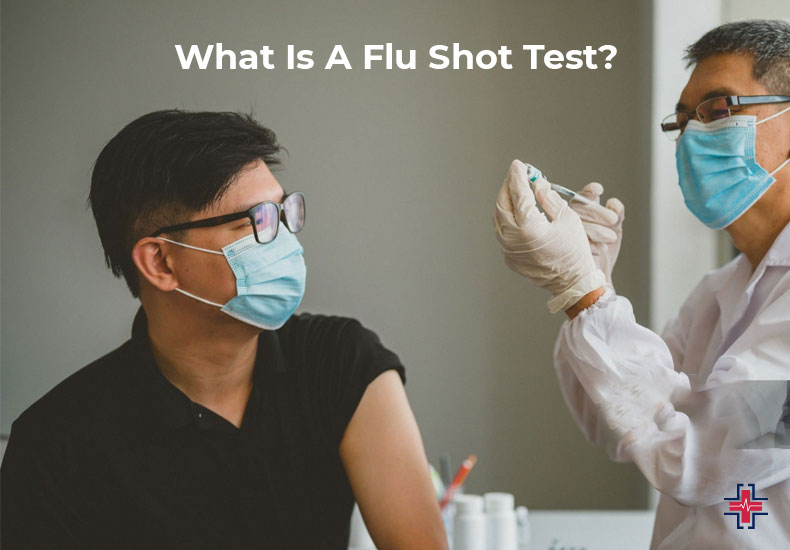
What Is A Flu Shot Test?
The respiratory illness caused by a virus known as influenza is referred to as the “flu”. Your physician will give you a flu test to see if you have the illness. In case it seems like you have the flu, your physician might suggest taking some medication to fight the condition. The drug is called an antiviral medicine. It works best when started two days after you feel sick. Antiviral drugs may help lessen flu symptoms and shorten the illness’s duration by around one day.
The year that the virus is most common is known as flu season. In the US, the flu season can begin as early as October and run until May. Usually, coughing or sneezing spreads the virus from person to person. Furthermore, you run the risk of spreading the flu by touching your lips, nose, or eyes after coming into contact with a surface infected with the virus.
Most people who have the flu experience fever, muscular aches, and other uncomfortable symptoms. They usually recover in a week or two. Some people are more prone than others to contracting the flu. Individuals with chronic illnesses, individuals 65 years of age and above, and children under five are among these persons. Death or severe illness may ensue from the flu.
Flu Shot Test?: Do You Need Them?
As soon as they have determined that you have the flu virus, your doctor can recommend antiviral therapy. This is the best they work. If you acquire a diagnosis as soon as possible—within 48 hours of the onset of symptoms—these treatments can lessen your symptoms and minimize your illness by approximately one day. But after the first two days, these drugs start to lose their effectiveness.
By requesting a flu test, your doctor can assist you in avoiding taking antibiotics. When it comes to viral infections like the flu, they are useless.
Where to Get Your Flu Shot, and Where to Go If You Get Sick
A yearly flu shot is the single most effective way to lower your risk, and it’s widely available. Retail pharmacies, your primary care provider, and many workplace and community clinics offer the vaccine, often as a walk-in during flu season. If you’re unsure which vaccine is right for you, especially with an egg allergy or a weakened immune system, your pharmacist or doctor can point you to the appropriate option.
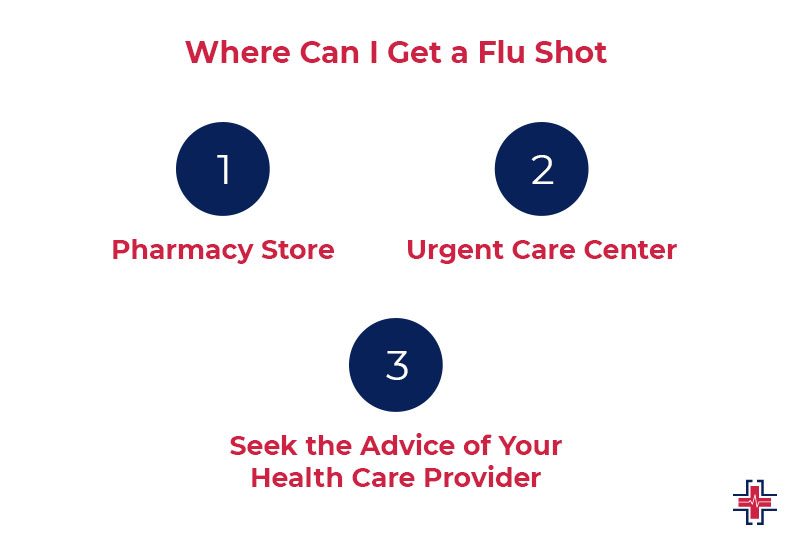
A flu shot lowers your risk, but it doesn’t eliminate it, and that’s where an emergency room comes in. If you do get sick, ER of Mesquite provides walk-in flu testing and treatment 24/7, with results during your visit and no appointment needed. Come straight to us if your symptoms turn severe, including trouble breathing, chest pain, a high fever that won’t break, severe dehydration, or symptoms that improve and then suddenly get worse. These can signal complications like pneumonia that need emergency care.
Stages of The Flu Test
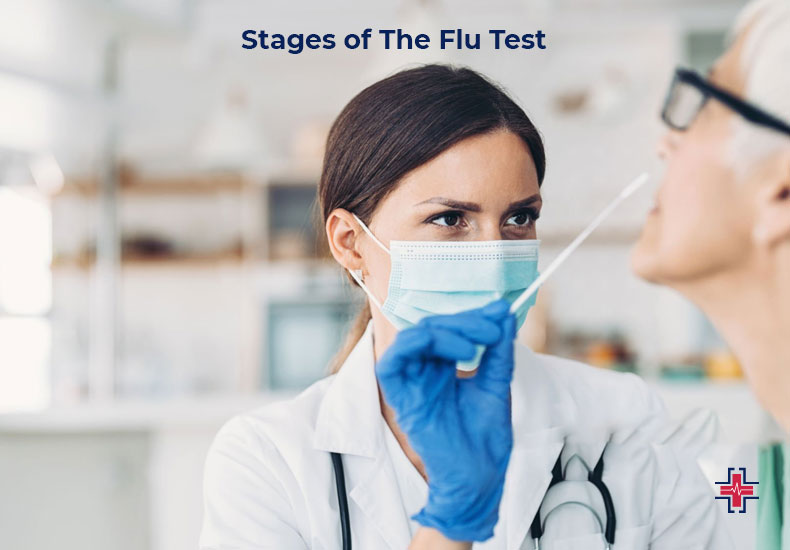
First Stage of Flu
Even before you exhibit any symptoms, you are infectious when you have the flu. Even after 48 hours, you’ll feel good, but suddenly the flu symptoms set in. You will begin to feel worse over many hours, including a headache, chills, body aches, and a rapid fever. These are the most typical early symptoms.
You might become aware that you’re ill at this early phase, in which case you should consult a physician. During this early phase, flu medication works best. It’s also crucial to remember that while the flu and viral illnesses are very contagious, symptoms similar to the flu or the common cold may be signs of another illness, such as a more serious viral infection.
Middle Stage of Flu
There are some notable symptoms that you will be dealing with when the flu is in its middle stages. However, since it’s simple to mistake these symptoms for those of another illness, it’s crucial to receive a professional diagnosis. If necessary, an urgent care physician can administer an antiviral drug or do a quick flu test.
It could be tough for you to get out of bed if you have the flu in its middle stages. Common symptoms include coughing, congestion, and even stomach issues. Fever is also. You should continue to wash your hands frequently and keep to yourself until at least 24 hours after your fever has subsided because you are still contagious during this phase. You’ll feel and recover better if you get lots of rest and drinks.
Stage After 4 Days of Flu
You’ll probably start to feel better within four days or so. Both your temperature and your body aches should have decreased. Even if your cough might be growing worse, this could mean that you’re improving. It remains crucial to obtain enough sleep, drink lots of water, and separate oneself. Recall that until you have had no fever for 24 hours (without taking any medication that lowers fever), you are still contagious. You should no longer have a fever by day six or seven. Simply give it another day before ceasing your self-isolation.
At this point, you might still be fatigued and not feeling your best. To help your body heal, take it easy. You’ll need to see a doctor once more if, after a week of symptoms, you’re not feeling significantly better. However, at this point, you ought to be feeling considerably better and almost back to your best!
Stages of Flu Recovery
You might be concerned about getting the flu this season, like a lot of other people. It’s a good idea to get the flu shot if you haven’t already to reduce your risk of contracting the illness. What to anticipate, though, might be on your mind if you do contract the flu.
There are usually phases that the flu passes through, however this can differ slightly from person to person. Learn what to anticipate at every stage of the flu, from the initial exposure to a full recovery, by reading on.
- Incubation: Between the time of exposure and the onset of symptoms is known as the incubation period. Although they can appear one to four days after exposure, flu symptoms typically appear two days after exposure.
- Contagiousness: Three to four days following the onset of symptoms, you are at your most contagious. However, the virus can spread between one day before symptoms appear and seven days after symptoms appear.
- Timeline of symptoms: Typical flu symptoms include weakness, fever, and body aches. They typically appear abruptly and persist for three to seven days. Sometimes, especially in those with underlying medical issues, symptoms can linger longer.
- Recovery: The majority of people will be flu-free after two weeks. Certain symptoms, such as fatigue and coughing, may linger a little while longer.
Tips for Flu Recovery
Although it may seem like recovery is taking a long time, try to have patience. Here are some pointers to get you through the different phases of flu recovery in the interim:
- Remain hydrated.
- Get enough sleep.
- Consume a balanced diet.
- Hands-wash frequently.
- Put a humidifier to use.
- Have a hot shower.
- To aid in your nighttime sleep, raise your head.
- Use an over-the-counter drug to relieve your discomfort.
- Remain at home till you’re well 8
You can feel comfortable taking the necessary actions to assist your recovery now that you are aware of the many phases of the flu recovery process. Recall that the best defense against the flu is prevention; receive a flu vaccination to lower your chance of contracting the illness in the future.
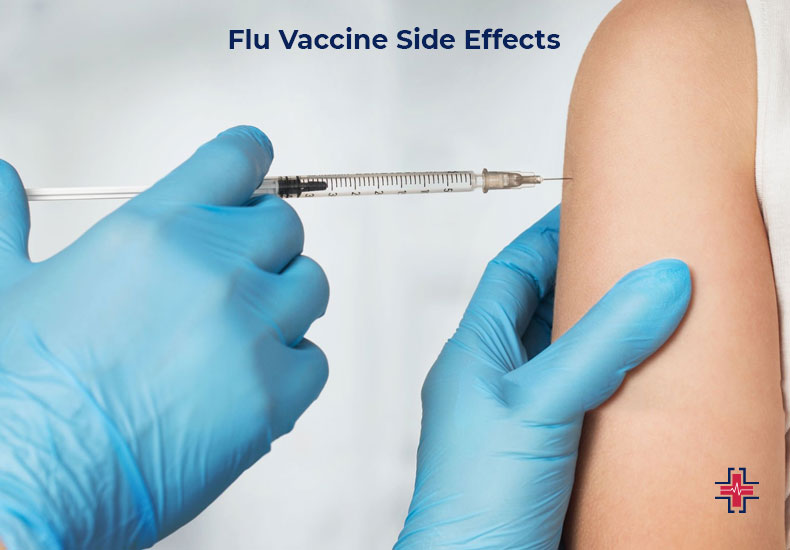
Flu Vaccine Side Effects
Many people are also worried that receiving the flu vaccination could have negative side effects that are worse than actually contracting the illness.
Any extremely small chance of adverse effects [from the vaccine], which are usually moderate, is greatly outweighed by the possible risks of a severe case of influenza.
A bad cold and the flu are sometimes confused with one another. While there are certain symptoms that both the flu and the common cold share, the flu can cause severe complications and leave a person unconscious for up to two weeks.
A bad cold and the flu are sometimes confused with one another. While there are certain symptoms that both the flu and the common cold share, the flu can cause severe complications and leave a person unconscious for up to two weeks.
Certain individuals who contract the flu may experience consequences such as pneumonia, myocarditis, encephalitis, or respiratory failure that can result in hospitalization or even death.
Can People Have an Allergic Reaction to the Flu Shot?
An adverse reaction to a flu vaccination is possible, but it is extremely uncommon, and any issues can be promptly resolved with efficient therapies.
The majority of vaccinations are created using chicken eggs. The ER advises against getting an egg vaccination in a medical setting without the presence of a healthcare physician who is qualified to identify and treat serious allergic reactions in persons who have a history of severe egg allergies, which often means symptoms other than hives following exposure to an egg.
During the flu season of 2022–2023, there were two widely accessible egg-free flu vaccination options: the quadrivalent recombinant vaccine and the quadrivalent cell-based vaccine.
Do Immunocompromised People Need Flu Shots?
Another myth is that because they are more susceptible, people with long-term illnesses who may be immunocompromised can react to the vaccine worse. Individuals who suffer from asthma, heart disease, diabetes, and several other long-term medical disorders are more vulnerable to severe flu-related consequences, which may lead to hospitalization or even fatality.
In fact, the organization reports that during recent flu seasons, nine out of ten patients who were hospitalized for the illness had at least one underlying medical condition.
You run a higher chance of developing a more serious flu-related illness when you are pregnant. This is caused by modifications to the heart, lungs, and immune system that take place during pregnancy (and continue for up to two weeks after delivery).
Are There Any Risks Associated With The Flu Shot?
Like any medical procedure, the flu shot has dangers, even while health authorities promote it as an efficient way to prevent influenza and it is generally seen to be safe. It’s important to remember, though, that the advantages of receiving a flu vaccine typically exceed the dangers, particularly when it comes to preventing serious sickness and flu-related complications.
Soreness at the injection site, a low fever, and muscular aches are common side effects of the flu vaccination. Usually transient, these symptoms go away on their own.
Rarely, people may encounter more severe adverse effects, like allergic responses. Although very rare, severe allergic reactions can happen. This is the reason it’s so important to disclose to medical professionals, before vaccination, any allergies that you may have.
It’s crucial to speak with a medical practitioner to evaluate specific health issues and decide whether getting the flu shot is appropriate, particularly for people who have certain sensitivities or underlying medical disorders. The flu shot is nevertheless an essential tool for stopping the spread of influenza and preserving public health despite these uncommon hazards. To ensure that your vaccination decisions are well-informed and tailored to your specific health situation, always seek advice from healthcare professionals.
What To Avoid After a Flu Shot
After receiving the flu shot, you can feel sore, exhausted, or just exhausted. You might be wondering what you should avoid doing to prevent getting worse. Painkillers can assist in reducing the negative effects of the flu shot. After receiving a flu vaccination, there aren’t many restrictions on what you can eat, drink, or do.
Conclusion
To wrap it up, putting public health first by promptly testing for the flu is an essential first step in protecting our community. Go no further than the ER of Mesquite for dependable and easily accessible flu testing services. Our hardworking team is committed to providing quick and effective flu tests near me.
Avoid waiting for symptoms to worsen before taking proactive steps to protect your health and the health of those around you. For quick and precise flu testing in your area, visit the ER of Mesquite. Early detection enables people to make knowledgeable decisions and, if medical intervention is required, facilitates timely care.
Choose wisely for the sake of your community and your health. For trustworthy local flu testing near me, get in touch with the ER of Mesquite right now.